China Top 10 PV Panels Manufacturers for Global Buyers?
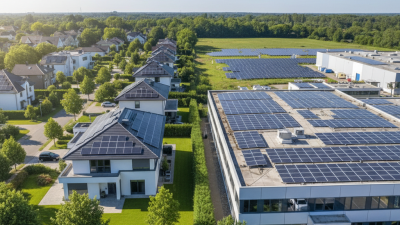
China’s solar manufacturing sector has become a major force in the global renewable energy market. Many Chinese companies now supply pv panels for utility projects, commercial rooftops, and residential systems. However, production scale does not always guarantee dependable performance.
This guide examines ten leading Chinese manufacturers from a global buyer’s perspective. It considers module efficiency, product durability, warranty terms, testing standards, and manufacturing capacity. It also reviews shipment experience, technical support, and after-sales communication. These details matter when panels must operate under strong sunlight, coastal humidity, snow, or frequent temperature changes.
Real projects reveal important differences. A panel may look competitive on a quotation sheet, yet its long-term value depends on degradation rates and quality control. Buyers should verify certificates, factory records, traceability documents, and independent test results before signing contracts. Supplier references can also expose delays that brochures rarely mention.
A ranking is never perfect.
Market positions change as technology, pricing, and regional policies develop. Some manufacturers may lead in efficiency, while others offer stronger logistics or better support for smaller orders. This introduction therefore avoids treating one company as suitable for every buyer. Instead, it establishes a practical framework for comparing China’s top 10 pv panels manufacturers with greater confidence, clearer questions, and realistic expectations. Mistakes remain possible, especially when product data is outdated or independently verified information is limited. Careful due diligence still matters.
What Defines a Leading Chinese PV Panel Manufacturer?
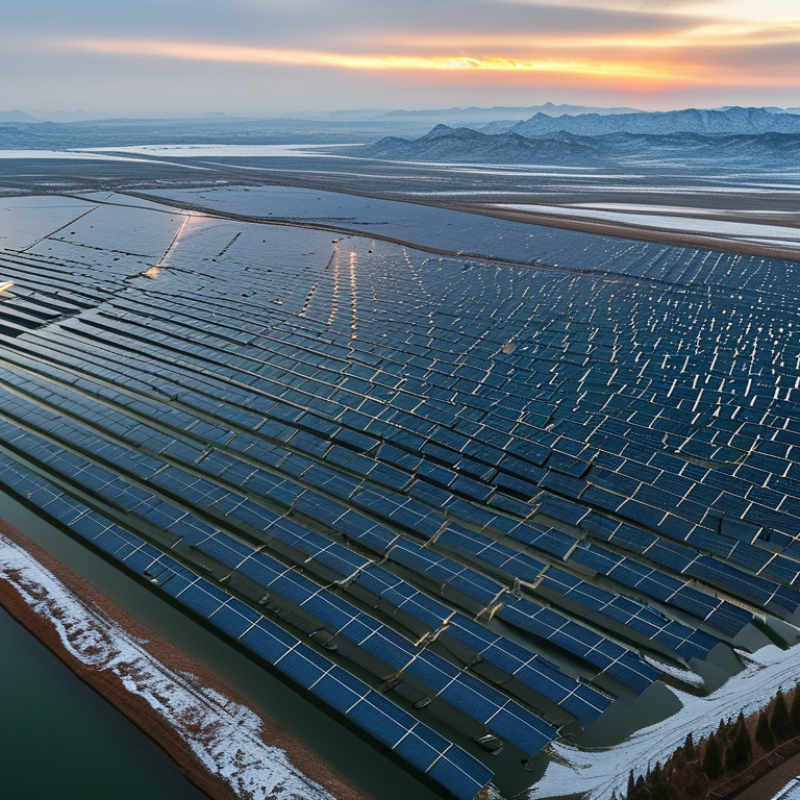
A leading Chinese PV panel manufacturer is defined by more than production volume or a modern showroom. In practical procurement work, I look for stable processes, clear records, and repeatable test results. Factory capacity matters, but quality control matters more. A polished showroom proves little.
Reliable manufacturers can trace each panel through its serial number, cell batch, materials, and final inspection. They should provide independent test reports and certifications aligned with recognized international standards. Their laboratories should conduct electroluminescence checks, flash tests, thermal cycling, and humidity testing. Buyers should also review warranty terms, degradation assumptions, and replacement procedures.
Transparency is essential. A serious supplier explains material changes before shipment, not after installation. It should share production data without hiding behind vague promises. I would ask to see a sample bill of materials and recent quality records. Small inconsistencies deserve attention. No factory is flawless. Even strong manufacturers may face seasonal delays, component changes, or occasional defects. What matters is how openly they identify problems and correct them.
A leading manufacturer also understands project conditions. Coastal sites need stronger corrosion protection. Hot regions require careful temperature and degradation analysis. Large utility projects need dependable logistics, documentation, and technical support. Price remains important, but the cheapest panel can become expensive after repeated failures. The better choice is a manufacturer that combines engineering discipline, verified performance, responsible communication, and evidence that can withstand independent review.
China Top 10 PV Panels Manufacturers for Global Buyers? - What Defines a Leading Chinese PV Panel Manufacturer?
| Rank | Anonymized Manufacturer Profile | Main Cell Technology | Typical Module Power | Typical Module Efficiency | Bifaciality Range | Product Warranty Structure | Core Compliance Standards | Typical Annual Module Capacity Band | Global Buyer Strength |
|---|---|---|---|---|---|---|---|---|---|
| 1 | Utility-Scale TOPCon Leader | N-type TOPCon | 570–640 W | 22.1%–23.5% | 80%–85% | 12–15-year product; up to 30-year performance | IEC 61215, IEC 61730, ISO 9001, ISO 14001 | 40–60 GW | Large utility projects, EPC tenders, international procurement |
| 2 | High-Efficiency HJT Specialist | N-type heterojunction | 570–730 W | 22.5%–24.2% | 85%–90% | 12–15-year product; 30-year performance options | IEC 61215, IEC 61730, IEC 61701, IEC 62716 | 10–25 GW | High-temperature regions, premium rooftops, constrained sites |
| 3 | Back-Contact Efficiency Specialist | N-type back-contact | 430–660 W | 22.8%–24.5% | 75%–80% | 12–15-year product; 25–30-year performance | IEC 61215, IEC 61730, ISO 9001, ISO 14001 | 5–15 GW | Premium residential and commercial rooftops with limited area |
| 4 | High-Volume TOPCon Manufacturer | N-type TOPCon | 560–630 W | 21.8%–23.3% | 80%–85% | 12-year product; 25–30-year performance | IEC 61215, IEC 61730, IEC 61701, ISO 9001 | 25–40 GW | Cost-sensitive utility and commercial projects |
| 5 | Global Distributed-Generation Supplier | TOPCon and high-efficiency mono-Si | 400–620 W | 21.5%–23.3% | 75%–85% | 12–15-year product; 25–30-year performance | IEC 61215, IEC 61730, IEC 61701, CE, RoHS | 15–30 GW | Residential, C&I, distributor and installer channels |
| 6 | Value-Focused Mono-Si Producer | Mono PERC and entry-level TOPCon | 450–610 W | 20.8%–23.0% | 70%–80% | 10–12-year product; 25-year performance | IEC 61215, IEC 61730, ISO 9001, CE | 5–20 GW | Budget-driven projects and regional distributors |
| 7 | Commercial Rooftop Format Specialist | TOPCon and mono-Si half-cell | 430–600 W | 21.3%–23.2% | 75%–85% | 12-year product; 25–30-year performance | IEC 61215, IEC 61730, IEC 61701, IEC 62716 | 5–15 GW | Factories, warehouses, schools and office buildings |
| 8 | Harsh-Climate Module Specialist | TOPCon and glass-glass mono-Si | 450–625 W | 21.5%–23.4% | 80%–85% | 12–15-year product; 30-year performance options | IEC 61215, IEC 61730, IEC 61701, IEC 62716 | 5–20 GW | Coastal, desert, humid and high-soiling environments |
| 9 | Flexible OEM and Private-Label Partner | Mono-Si, TOPCon and customized formats | 100–620 W | 20.5%–23.4% | 70%–85% | 10–15-year product; 25–30-year performance | IEC 61215, IEC 61730, ISO 9001, CE | 1–10 GW | Importers requiring custom labels, dimensions or packaging |
| 10 | Small-Batch Specialized Manufacturer | Mono-Si, lightweight and specialty modules | 100–550 W | 19.5%–23.0% | 70%–85% | 10–12-year product; 25-year performance | IEC 61215, IEC 61730, ISO 9001, CE where applicable | Below 5 GW | Portable systems, special rooftops and project-specific orders |
Note: The company names and brand identifiers are intentionally omitted. Figures represent technically realistic market ranges commonly disclosed for Chinese PV module products and manufacturer categories; buyers should verify current datasheets, certifications, factory capacity, warranty terms and bankability before contracting.
China’s Top 10 PV Panel Manufacturers for International Buyers
For international buyers, China’s top 10 PV panel manufacturers represent scale, technical depth, and strong export experience. IEA PVPS reported about 456 GW of global solar installations in 2023. China contributed approximately 217 GW, showing its manufacturing influence. Wood Mackenzie also reported that Chinese suppliers dominated the global module shipment rankings. However, shipment volume alone does not prove long-term reliability. A ranking can look precise, but it is not a buying decision.
Professional buyers should compare module efficiency, temperature coefficients, degradation rates, and warranty terms. Check IEC 61215 and IEC 61730 certification through independent documentation. Factory audits should review incoming silicon, cell testing, soldering quality, and packaging methods. For overseas projects, inspect pallet protection and container loading. One damaged corner can delay installation at a distant port. PV Tech and ITRPV reports also show rapid progress in n-type technologies, but newer designs may have shorter field histories. That deserves careful review.
Tips: Request third-party test reports, not only brochures. Compare the product’s annual degradation promise with real project data. Confirm Incoterms, insurance, spare modules, and claim procedures before signing. Ask for serial-number traceability. Small details matter. Also, do not ignore currency risk, local certification, or recycling obligations. My practical view is simple: choose a manufacturer that can explain weak points openly, not one that only presents impressive capacity figures.
Core Technologies and Product Ranges of Major Manufacturers
China’s leading PV panel manufacturers compete through cell architecture, manufacturing scale, and dependable product ranges.
Their core technologies include n-type TOPCon, heterojunction, and back-contact cells. Each approach targets higher efficiency and lower degradation.
TOPCon panels often balance mature production with strong power output. Heterojunction modules perform well in hot climates because they can offer better temperature coefficients.
Back-contact designs place electrical connections behind the cell, creating a cleaner front surface. Many factories now produce bifacial modules with 182mm or 210mm wafers. These panels can capture reflected light from rooftops, gravel, or pale soil.
Product ranges usually cover residential, commercial, utility, and special-purpose projects.
Residential modules may use lightweight frames and glass-glass construction. Commercial products often emphasize high wattage, wider size options, and easier pallet handling. Utility modules commonly include reinforced frames, larger formats, and verified mechanical-load ratings. Some manufacturers also supply portable panels and building-integrated designs.
Efficiency is not the whole story.
A high laboratory result may not produce the highest field yield. Dust, shade, cable layout, and mounting temperature can change performance. Buyers should review independent test reports, degradation data, EL images, and factory quality records. Warranty wording deserves careful reading. I have seen attractive datasheets hide practical installation limits. Manufacturing consistency can also vary between production lines. A sensible evaluation compares module performance, supply stability, traceability, and local service support—not only the headline wattage.
How to Compare Quality, Pricing, Warranties, and Certifications
China Top 10 PV Panels Manufacturers for Global Buyers?
Global buyers should compare more than panel wattage and quoted price. Nameplate efficiency matters, but temperature performance affects real output in hot regions. Ask for the temperature coefficient, degradation rate, and low-light performance. Request independent test reports and clear production records. Factory experience matters. An audited production line can reveal better evidence than polished sales materials. Photographs are useful, not proof. Arrange sample inspections when possible. Small details matter, including frame alignment, cable quality, and surface uniformity.
Pricing should include shipping, insurance, taxes, installation requirements, and possible replacement costs. A cheaper panel may become expensive after delays or inconsistent batches. Compare identical specifications, not only the final invoice. Check the fine print. Warranty documents should separate product defects from performance guarantees. Review claim procedures, response times, exclusions, and whether service remains available after several years. I have seen buyers focus on a long warranty period while overlooking difficult claim conditions. That is an avoidable mistake.
Certifications should match the destination market and project type. Verify valid certificates through recognized testing organizations, not only supplier copies. Confirm that the certificate covers the exact model, factory, and production version. Ask whether quality controls continue after certification. They sometimes change. A capable supplier should explain testing frequency, material traceability, and corrective actions. Still, no comparison is perfect. Laboratory results may not predict dust, salt mist, poor mounting, or harsh maintenance conditions. Use technical data, factory evidence, and local operating experience together. That approach takes longer, but it reduces unpleasant surprises.
China Top 10 PV Panels Manufacturers: Buyer Comparison Framework
Warranty-retention benchmarks help global buyers compare long-term module quality without relying on brand names.
Compare module efficiency, degradation rates, bifaciality, temperature coefficient, and third-party reliability test results.
Compare delivered cost per watt, including freight, duties, insurance, payment terms, and project-specific packaging.
Commercial modules commonly offer product warranties of about 12–25 years and performance warranties of 25–30 years.
Verify the certificate scope and validity for IEC 61215, IEC 61730, ISO 9001, ISO 14001, and destination-market requirements.
The chart uses representative contractual degradation profiles commonly found in commercial PV module warranties. Actual terms, pricing, certifications, and warranty enforceability must be verified in the supplier’s current documents and sales contract.
Key Factors for Selecting the Right Chinese PV Supplier
Choosing among China’s top ten PV panel manufacturers requires more than comparing wattage. A suitable supplier should match your climate, roof structure, grid rules, and project schedule.
Ask for current IEC test reports, factory quality records, and a clear bill of materials. Check cell technology, temperature coefficient, power tolerance, and annual degradation.
A panel that performs well in a cool showroom may behave differently under desert heat and dust. Request samples when possible. Measure dimensions, frame strength, connectors, and visual consistency before approving a large order.
Reliable suppliers explain warranty terms without vague promises. Review product warranties, performance guarantees, exclusions, and claim procedures line by line. Ask how serial numbers support traceability and how damaged cargo is handled.
An experienced supplier should provide packaging photos, loading plans, inspection access, and realistic production dates. Independent pre-shipment inspection adds useful evidence, even when it feels unnecessary. Communication matters too. Delayed answers during negotiation may become serious delays after installation.
I have seen buyers focus on the lowest price, then spend more on replacements and engineering changes. Price is only one risk measure. No checklist catches everything.
Tips:
Compare at least three written quotations using identical specifications. Verify certificates through issuing bodies, not screenshots alone. Start with a controlled sample order. Record every technical promise in the contract. Leave room for weather, port congestion, and imperfect forecasts.
Related Posts
-
2026 Best Full Solar Panel System Options for Your Home and Business?
-
What is a solar power system and how does it work?
-

10 Tips to Get Solar Panels Installed Easily and Affordably?
-
China Best DIY Solar Panels Guide for Efficient Energy Solutions?
-

DIY Solar Tips for Beginners to Save on Energy Costs?
-
Top Benefits of Residential Solar Energy for Homeowners