Top Solar Installation Trends in 2026 What Buyers Need to Know
As the solar installation industry evolves, understanding the latest trends becomes crucial for buyers. According to a report by the Solar Energy Industries Association (SEIA), solar installations are expected to grow by an astonishing 40% over the next five years. This rapid growth is driven by technological advances and increasing consumer demand for sustainable energy.
Expert Olivia Taylor, a well-known figure in renewable energy, states, “The shift towards solar installation is not just a trend; it's a fundamental change in energy consumption.” Her insight emphasizes the urgency for buyers to stay informed about emerging solar technologies. Innovations like smart inverters and energy storage devices are reshaping the solar landscape, optimizing efficiency and resilience.
Buyers should be aware that navigating the market is not without challenges. Factors such as fluctuating material costs and varying local regulations can complicate the installation process. Additionally, the need for skilled installation professionals remains critical. As the industry progresses, aligning with expert advice and industry reports will ensure that buyers make informed decisions in their solar installation journey.
Emerging Solar Technologies Set to Transform Installations in 2026
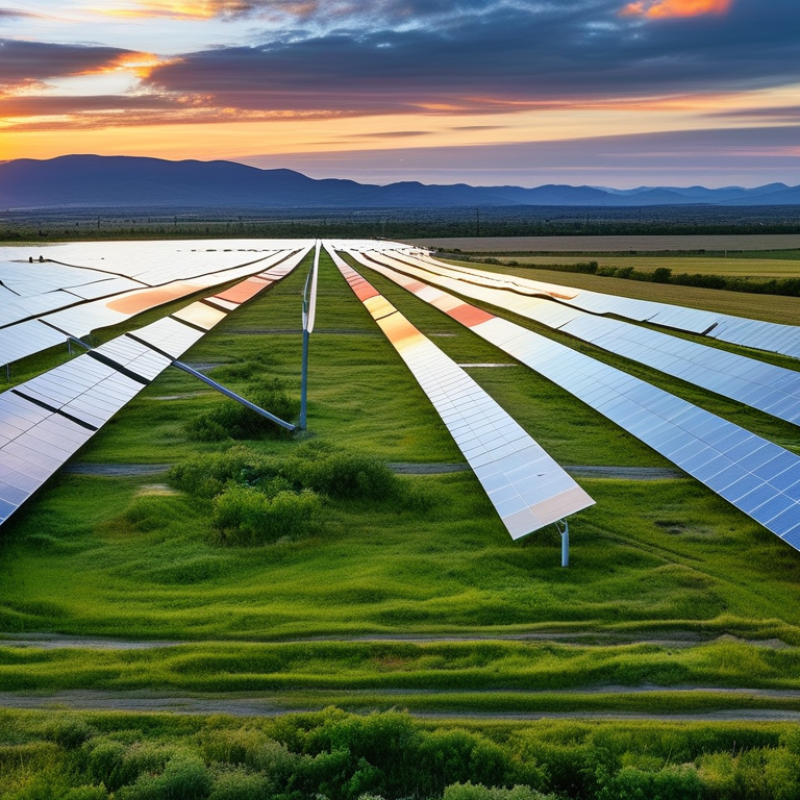
Emerging solar technologies are set to reshape installations in 2026. One noteworthy trend is the rise of bifacial solar panels. These panels capture sunlight from both sides, enhancing energy production. Installation teams will need specialized training to maximize their efficiency. This shift may require adjustments in setup techniques and site selection.
Another exciting development is the integration of solar with battery storage solutions. Homeowners can store excess energy for use during the night. This offers greater energy independence but raises questions around installation costs and system complexity. The technology is evolving, but current products can be expensive. Buyers should weigh the long-term savings against initial investment.
Smart solar systems are becoming common. These systems connect to the internet, enabling remote monitoring and adjustments. While they promise increased efficiency, reliance on technology can lead to new vulnerabilities. Homeowners must understand potential security risks before installing smart solutions. Overall, the landscape in 2026 will be rich with innovation, but it will require careful consideration by buyers.
Top Solar Installation Trends in 2026
| Trend |
Description |
Impact on Installation |
Expected Growth (%) |
| Bifacial Solar Panels |
Panels that capture sunlight from both sides, increasing overall efficiency. |
Higher energy output allows for smaller installations. |
25% |
| Floating Solar Farms |
Solar panels installed on water bodies to utilize unused space. |
Reduces land usage and improves cooling for panels. |
30% |
| Smart Solar Technology |
Integration of AI and IoT for enhanced monitoring and maintenance. |
Improves reliability and reduces operational costs. |
20% |
| Energy Storage Solutions |
Advanced batteries to store excess solar energy for later use. |
Increases energy independence and enhances grid stability. |
35% |
| Solar Skins |
Customizable solar panel designs that blend with roofs. |
Aesthetically pleasing installations improve market appeal. |
15% |
Key Factors Influencing Solar Installation Costs for Buyers in 2026
As we enter 2026, the solar installation landscape is evolving rapidly. Buyers must understand the key factors influencing installation costs. Material prices, labor costs, and regulatory changes are critical. Solar panel technology continues to advance, but this can lead to price fluctuations. While newer technologies offer efficiency, their initial costs can deter buyers.
Labor costs are affected by demand and availability of skilled workers. Areas with high installation rates may experience labor shortages, increasing overall costs. Local incentives can also influence expenses. Buyers should research available rebates or tax credits. Understanding local policies can provide significant savings.
Another factor is the size and type of installation. Residential setups differ significantly from commercial projects. Homeowners should carefully assess their energy needs. A larger installation might seem tempting, but it’s essential to evaluate return on investment. While solar offers many benefits, potential buyers need realistic expectations and thorough planning. Ignoring these elements could lead to frustration down the line.
Rise of Smart Solar Solutions: Integration with Home Automation Systems
As we approach 2026, the integration of smart solar solutions with home automation systems is gaining momentum. A recent report from the Solar Energy Industries Association indicates that about 35% of new solar installations are now incorporating smart technology. Homeowners are increasingly looking for ways to optimize energy use and enhance convenience. This trend reflects a larger shift toward sustainability and technological integration.
Smart solar systems enable seamless communication with devices like thermostats and smart appliances. They can adjust energy consumption based on real-time data and weather forecasts. For example, a solar-powered home can automatically reduce energy usage during peak times, significantly lowering electricity bills. However, this technology is not without challenges. System integration can sometimes be complex, leading to compatibility issues. Buyers must consider whether existing home devices can work efficiently with new solar technology.
Moreover, cybersecurity is a growing concern as smart systems become more prevalent. Homeowners must ensure their networks are secure to protect against potential breaches. The emphasis on energy independence is vital, but it’s essential to weigh the risks involved. As smart solar solutions evolve, continuous education and awareness will be crucial for consumers. This landscape is dynamic and requires buyers to remain informed on both benefits and drawbacks.
Trends in Solar Installation Design: Aesthetic and Functional Innovations
The solar installation landscape is evolving rapidly. In 2026, aesthetic and functional innovations are becoming increasingly significant. A 2023 report by the Solar Energy Industry Association indicates that 57% of homeowners prioritize design when selecting solar systems. This shift highlights a growing demand for installations that blend seamlessly with residential architecture.
Innovative designs, such as solar shingles and integrated solar solutions, are gaining traction. These products not only improve appearance but also enhance efficiency. According to a recent study from the National Renewable Energy Laboratory, integrated systems can boost energy output by up to 30%. This efficiency makes them appealing to buyers seeking dual functionality.
Despite these advancements, challenges remain in the mainstream adoption of these innovative designs. The initial costs can deter potential buyers. Additionally, installation complexities may lead to concerns regarding maintenance and longevity. It's essential for consumers to weigh aesthetic desires against practical considerations. Understanding these dynamics will guide buyers in making informed decisions in the evolving solar market.
Sustainability Considerations: Eco-Friendly Materials and Practices in 2026
Sustainability is at the forefront of solar installation trends in 2026. Eco-friendly materials and practices are essential for reducing environmental impact. According to the International Renewable Energy Agency, solar energy production can minimize carbon emissions significantly. Studies indicate that integrating recyclable materials in solar panels can lead to a 30% reduction in waste.
Utilizing sustainable practices during installation can also enhance energy efficiency. Deploying advanced technology, like bifacial solar panels, can increase energy capture while using fewer raw materials. This trend accelerates the growth of sustainable energy solutions and contributes to a cleaner planet.
Tips for buyers: consider the lifecycle of your solar panels. Look for options that use sustainably sourced materials. Always ask installers about their waste management practices. Engaging with companies focused on sustainability can lead to better long-term outcomes. Remember, not all solar products are created equal. Research and make informed choices to ensure your investment is both ecologically sound and economically viable.
Top Solar Installation Trends in 2026
This chart showcases the anticipated growth and adoption rates of various eco-friendly materials and practices in solar installations for the year 2026. The data reflects projected percentages based on industry trends and sustainability practices.